
Why Japanese Cuisine is the Perfect Break from Khmer Dishes


Exploring New Flavors: Japanese Cuisine
For those accustomed to Khmer dishes, Japanese cuisine offers a delightful departure with its unique flavors and culinary techniques. While both cuisines are rich in tradition, they present distinctly different dining experiences. Japanese food, with its focus on simplicity and natural flavors, is a refreshing complement to the bold and often complex flavors of Khmer dishes.
The Art of Minimalism in Japanese Cuisine
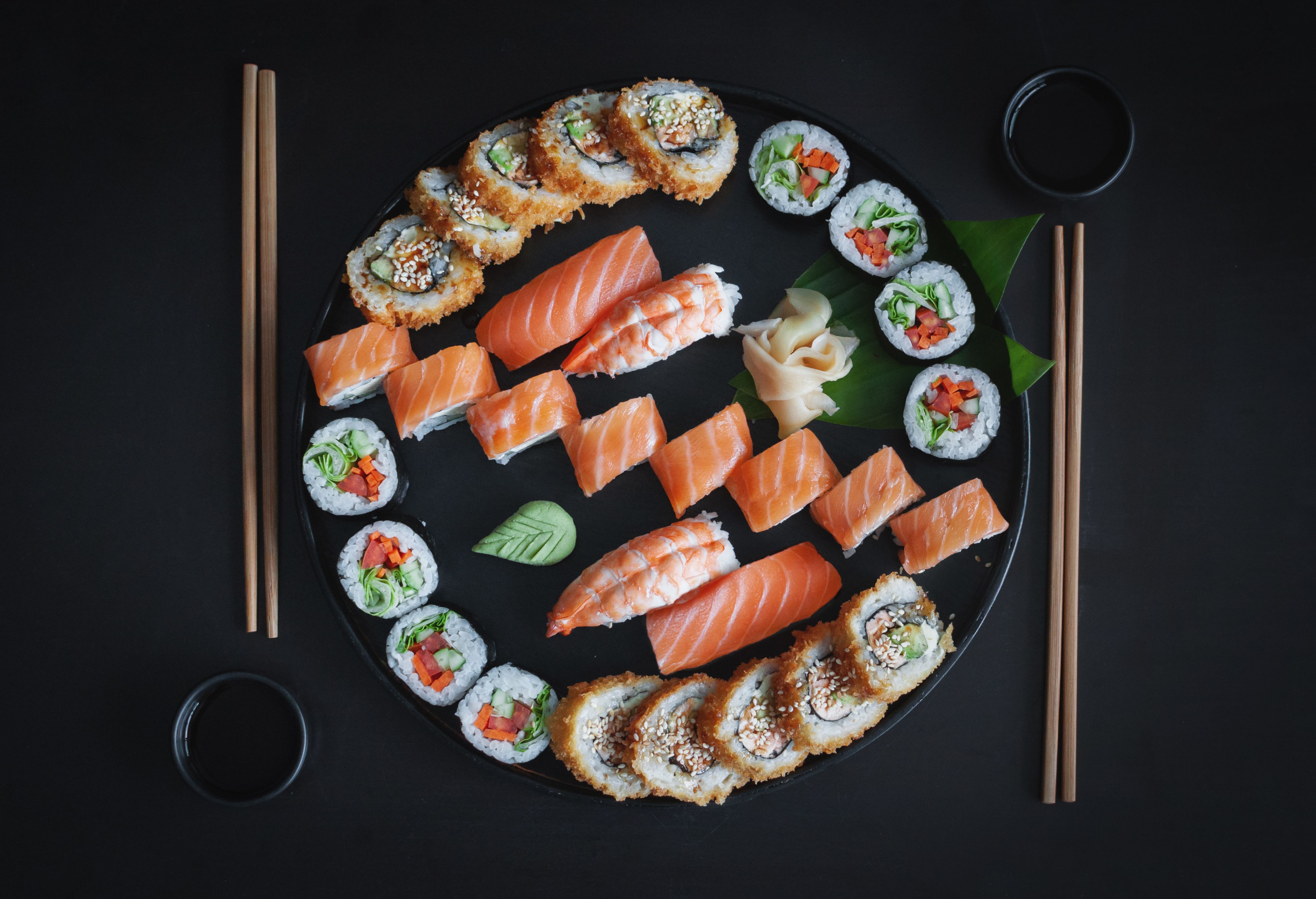
One of the key characteristics of Japanese cuisine is its minimalistic approach. The emphasis is placed on quality ingredients and presentation. Dishes like sushi and sashimi highlight the natural taste of fresh fish and seafood, offering a clean and light flavor profile. This contrasts with Khmer cuisine, which often incorporates a variety of spices and herbs to create rich and aromatic dishes.
Japanese meals often include a variety of small dishes that focus on seasonality and balance. This ensures that every meal is a well-rounded experience, both nutritionally and aesthetically. The use of seasonal ingredients means that dishes are always fresh, and their natural flavors are allowed to shine through.
Health Benefits: A Different Approach
Japanese cuisine is renowned for its health benefits. The diet is typically low in fat and high in nutrients, with an emphasis on fish, vegetables, and fermented foods. This contrasts with the more indulgent flavors found in many Khmer dishes, which often use coconut milk and rich sauces.
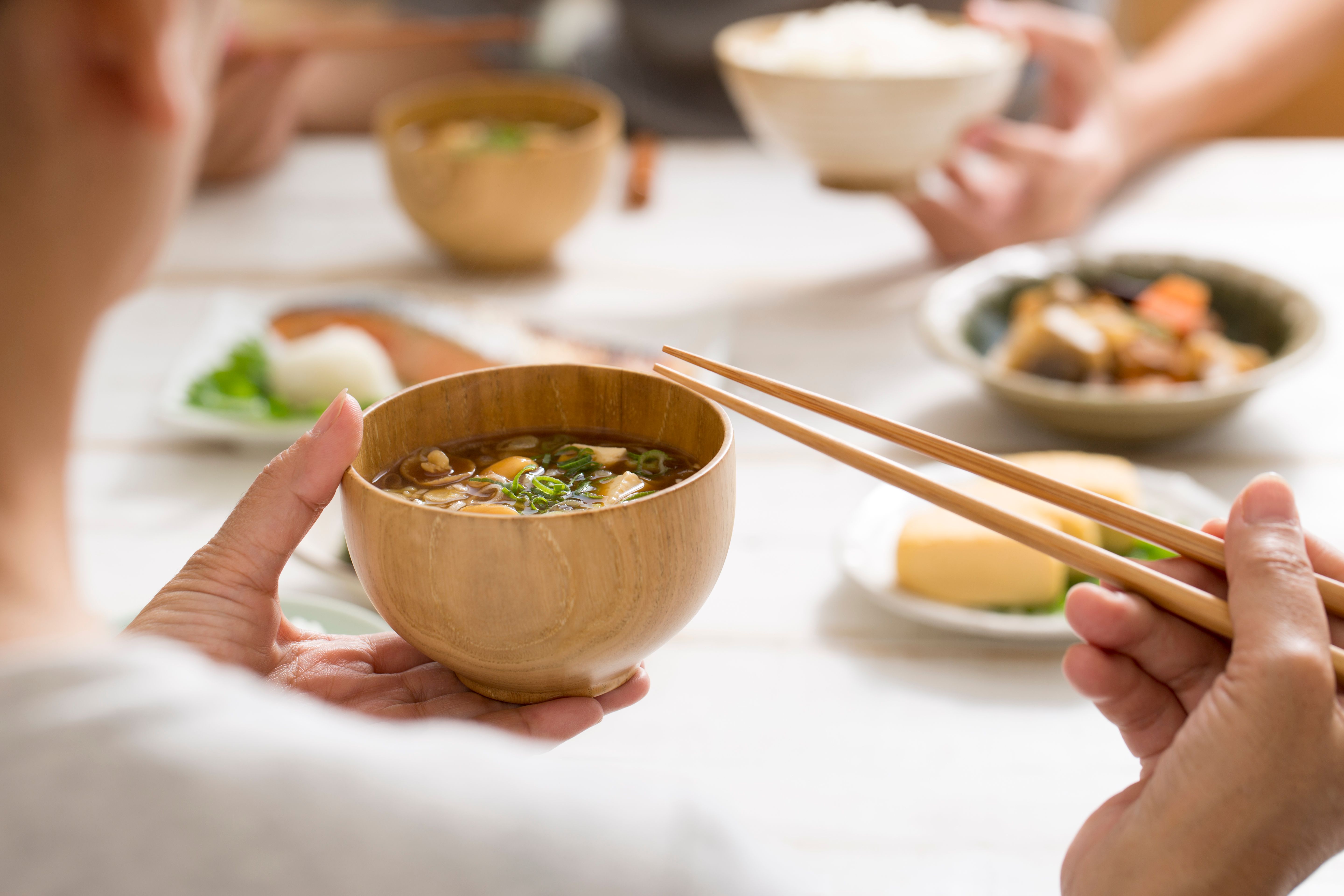
The use of fermented foods like miso and pickled vegetables in Japanese cooking not only enhances flavor but also provides probiotics that are beneficial for gut health. This focus on healthful ingredients makes Japanese cuisine an appealing alternative for those looking to diversify their diet while maintaining nutritional balance.
Variety and Innovation
Japanese cuisine offers a wide variety of dishes that cater to different tastes. From the savory richness of ramen to the delicate elegance of tempura, there is something for everyone. This variety can be a welcome change for those used to the more uniform flavor profiles often found in traditional Khmer dishes.
The innovation in Japanese cuisine is also noteworthy. Chefs are continually experimenting with new ingredients and techniques, creating modern interpretations of classic dishes. This willingness to innovate ensures that dining experiences remain exciting and dynamic.
Dining Experience: A Cultural Exchange
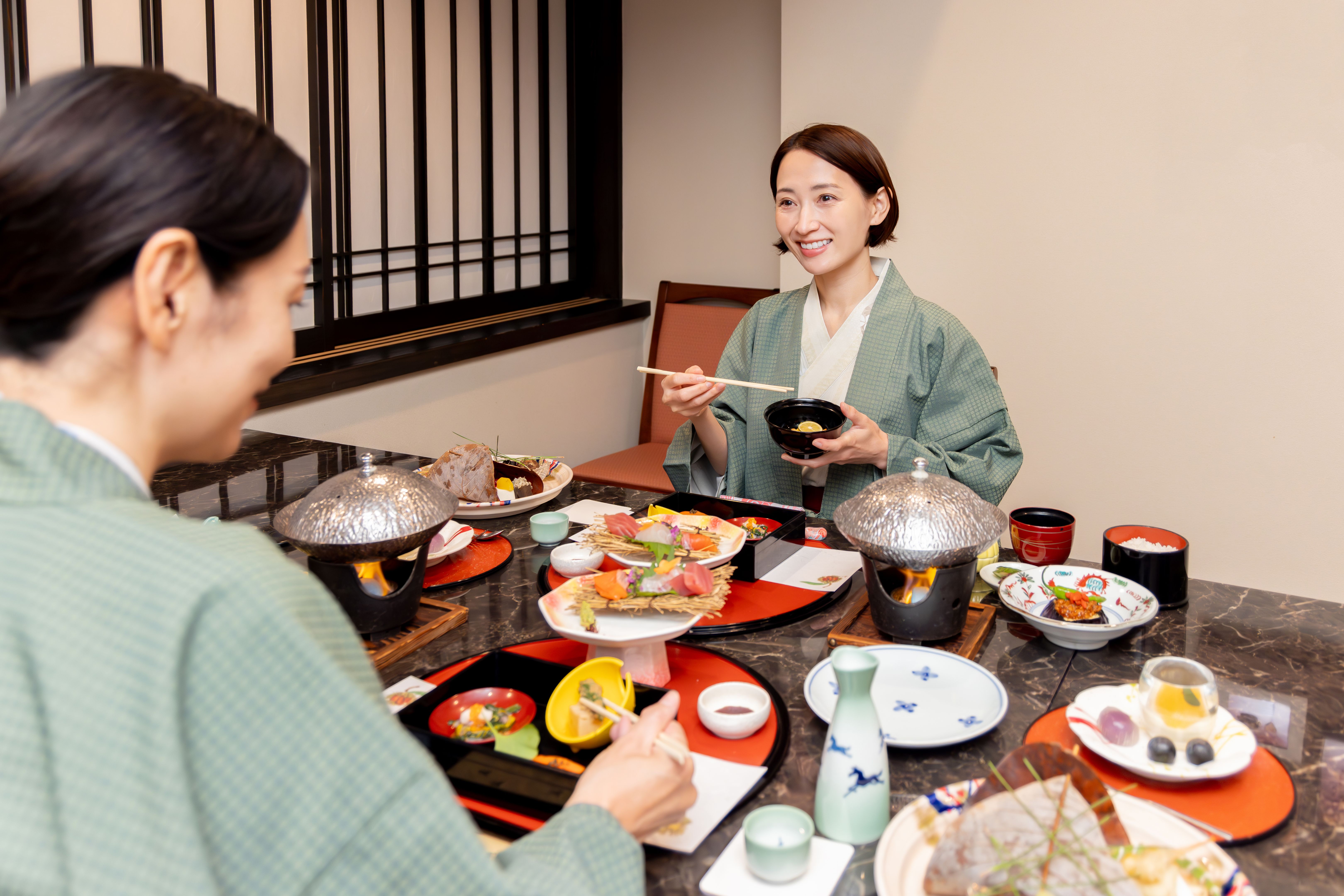
Enjoying Japanese cuisine is not just about the food; it's also about the cultural experience. The traditional etiquette surrounding Japanese meals, such as the use of chopsticks and the importance of presentation, adds an extra layer of enjoyment to the dining experience. This cultural exchange can be a fascinating and educational break from the familiar setting of Khmer dining.
Conclusion: A Perfect Culinary Adventure
Japanese cuisine offers a perfect break from Khmer dishes, providing a unique blend of simplicity, health benefits, variety, and cultural richness. For those looking to expand their culinary horizons, diving into the world of Japanese food can be a rewarding adventure. Whether you’re savoring the fresh taste of sushi or exploring the comforting warmth of ramen, Japanese cuisine promises a delightful and memorable experience.