
Understanding the Art of Japanese BBQ: Samurai’s Charcoal Grilled Delights


Japanese BBQ, known as Yakiniku, is a culinary experience that combines tradition, flavor, and social dining. Originating in the early 20th century, this style of BBQ has become a popular choice for food enthusiasts worldwide. What sets it apart is the meticulous attention to detail and the artistry involved in grilling.
The essence of Japanese BBQ lies in its simplicity and focus on high-quality ingredients. Unlike Western BBQ, which often involves heavy sauces and marinades, Yakiniku emphasizes the natural flavors of the meats and vegetables. The grilling process itself is an art form, requiring skill and precision.

The Tradition of Yakiniku
Yakiniku translates to "grilled meat," and it has deep roots in Japanese culture. Traditionally, this style of BBQ is enjoyed in a social setting, with friends and family gathered around a tabletop grill. The communal aspect enhances the dining experience, making it more than just a meal.
Historically, Yakiniku was influenced by Korean BBQ, but over time, it evolved into its own unique style. Today, Yakiniku restaurants offer a wide variety of meats, including beef, pork, and chicken, often accompanied by fresh vegetables.
The Role of Charcoal
A key element in Japanese BBQ is the use of binchotan charcoal. This high-quality charcoal burns at a consistent temperature, providing an even heat that enhances the flavor of the grilled items. The subtle smokiness it imparts is cherished by BBQ enthusiasts.
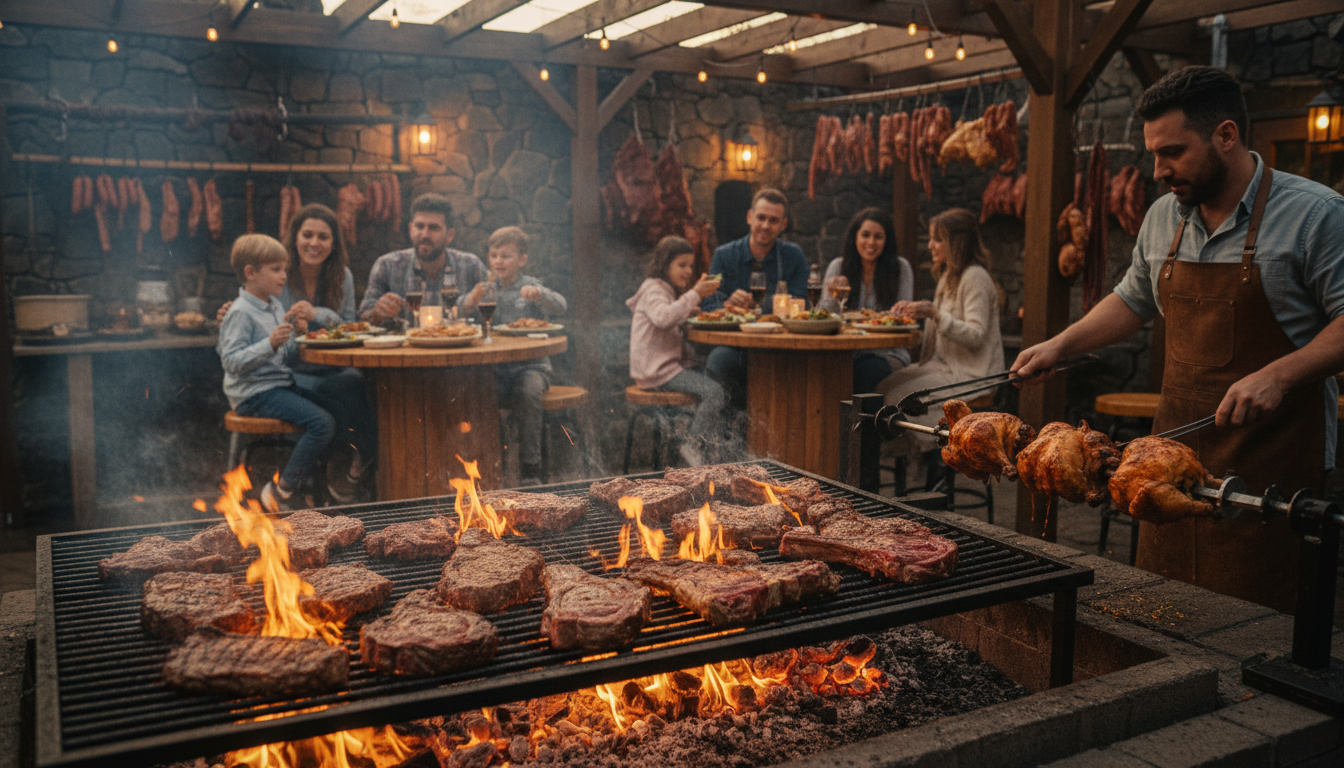
Binchotan charcoal is known for its long-burning properties and minimal smoke production, allowing the natural flavors of the meat to shine. Mastering the use of this charcoal is essential for any aspiring Yakiniku chef.
Popular Yakiniku Dishes
When it comes to Yakiniku, the variety of dishes available is astounding. Here are some popular choices:
- Kalbi: Marinated beef short ribs, a favorite among many.
- Harami: Tender skirt steak, known for its rich flavor.
- Tontoro: Juicy pork cheek, a delicacy for pork lovers.
Each dish is carefully prepared, often with minimal seasoning, to highlight the quality of the meat. Vegetables such as mushrooms, onions, and peppers are also commonly grilled, providing a well-rounded meal.

The Dining Experience
Dining at a Yakiniku restaurant is an interactive experience. Guests are often given the responsibility of grilling their own food, allowing them to cook each item to their preferred level of doneness. This hands-on approach adds to the enjoyment and connection with the meal.
Furthermore, the sauces and accompaniments play a crucial role in enhancing flavors. Dipping sauces, such as soy sauce-based tare, are commonly offered, giving diners the ability to customize their taste experience.
Conclusion
Understanding the art of Japanese BBQ is about appreciating the simplicity and elegance of the cooking process. It's a celebration of flavors, textures, and social interaction. Whether you're a seasoned BBQ lover or new to the world of Yakiniku, exploring this culinary tradition promises a delightful journey of taste and culture.