
Japanese Dining Etiquette: Enjoying Your Meal at SAMURAI Like a Local


Understanding Japanese Dining Etiquette
Dining at SAMURAI offers a wonderful opportunity to immerse yourself in Japanese culture. To fully enjoy the experience, it's essential to understand some key aspects of Japanese dining etiquette. These customs not only enhance your meal but also show respect to the culture and those around you.

The Art of Using Chopsticks
Chopsticks are an integral part of Japanese dining. When dining at SAMURAI, handle them with care. Avoid pointing with them or sticking them upright in your rice, as this resembles funeral rituals. Instead, place them on the provided rest when not in use. Mastering chopstick etiquette can greatly enhance your dining experience.
If you need a break from using chopsticks, you can ask for a fork. However, attempting to use chopsticks is a sign of respect and appreciation for the culture. Practice makes perfect, so don't hesitate to give it a try.
Respecting the Ritual of “Itadakimasu”
Before you begin your meal, it's customary to say “Itadakimasu,” which translates to “I humbly receive.” This expression shows gratitude for the food and those who prepared it. At SAMURAI, you'll notice many patrons engaging in this tradition, highlighting its importance in Japanese dining culture.
Ordering and Serving Etiquette
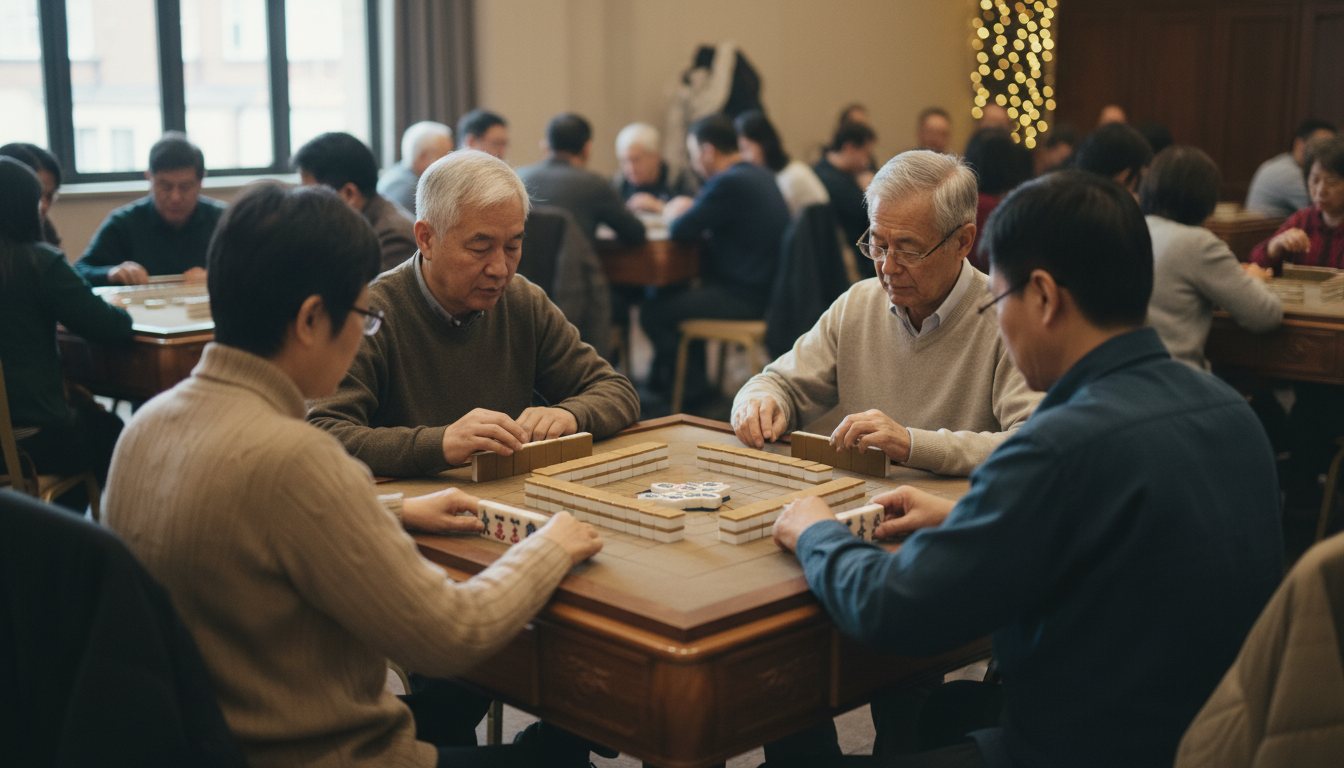
When dining in Japan, dishes are often shared among the table. At SAMURAI, it's common to order a variety of dishes to share with your group. Use the opposite end of your chopsticks or serving utensils when taking food from shared plates to maintain cleanliness.
In Japan, it's polite to pour drinks for others before serving yourself. If you're dining with company, fill their glasses when needed, and they will likely return the favor. This small gesture fosters a sense of community and consideration among diners.
Enjoying the Meal
Japanese cuisine emphasizes savoring the flavors and textures of each dish. When dining at SAMURAI, take your time to enjoy each bite. Slurping noodles is not only acceptable but encouraged, as it shows appreciation for the dish. Don't hesitate to express your enjoyment, as it complements the dining atmosphere.

Post-Meal Etiquette
After finishing your meal, it's customary to say “Gochisousama deshita,” meaning “Thank you for the meal.” This phrase is a polite way to express gratitude and acknowledge the effort put into your dining experience. At SAMURAI, you'll find this expression leaves a positive impression on the staff.
If you've ordered individual plates, it’s courteous to stack the dishes to make it easier for the staff to clear the table. Small actions like these are appreciated and reflect the thoughtful nature of Japanese dining etiquette.
Tipping Practices
Unlike Western countries, tipping is not customary in Japan. Instead, exceptional service is expected as a standard. At SAMURAI, the focus is on providing an unforgettable dining experience without the need for additional gratuity. If you wish to show appreciation, a simple “thank you” goes a long way.
By understanding and embracing these dining etiquettes, you can enjoy a more authentic and respectful experience at SAMURAI. Immerse yourself in the rich traditions and savor each moment of your meal like a local.