
From Yakitori to Yakiniku: Mastering the Art of Japanese Grilled Dishes


The Allure of Yakitori and Yakiniku
When it comes to Japanese cuisine, the artistry of grilling is a time-honored tradition that captivates food enthusiasts around the world. From the smoky, tantalizing aroma of yakitori to the interactive experience of yakiniku, these dishes offer a culinary adventure that is both delectable and culturally rich.

Understanding Yakitori: The Art of Skewered Delights
Yakitori, which translates to "grilled chicken," is a delightful Japanese dish consisting of skewered chicken pieces cooked over a charcoal grill. The simplicity of its preparation allows the natural flavors of the meat to shine through. Traditionally seasoned with salt or a tare sauce made of soy sauce, sake, and sugar, each skewer is a perfect blend of savory and sweet.
Yakitori is not limited to just chicken; it often includes a variety of meats and vegetables, making it a versatile choice for different tastes. From succulent chicken thighs to crispy chicken skin, the possibilities are endless.
The Interactive Experience of Yakiniku
Yakiniku, meaning "grilled meat," offers a more interactive dining experience. Typically enjoyed in a restaurant setting, diners are presented with an array of raw meats and vegetables to grill at their table. This communal approach to dining fosters a sense of togetherness and fun.

Yakiniku restaurants often provide a selection of dipping sauces to enhance the flavor of the grilled meats. These sauces can range from a simple sesame oil blend to more complex concoctions featuring garlic, soy, and citrus notes.
Key Ingredients and Techniques
Both yakitori and yakiniku rely on high-quality ingredients and precise grilling techniques. Here are some essential elements:
- Charcoal Grill: The use of charcoal is crucial for achieving the signature smoky flavor.
- Fresh Ingredients: High-quality, fresh meats and vegetables ensure the best taste.
- Proper Seasoning: Balancing flavors with the right amount of salt or sauce is key.
Pairing and Presentation
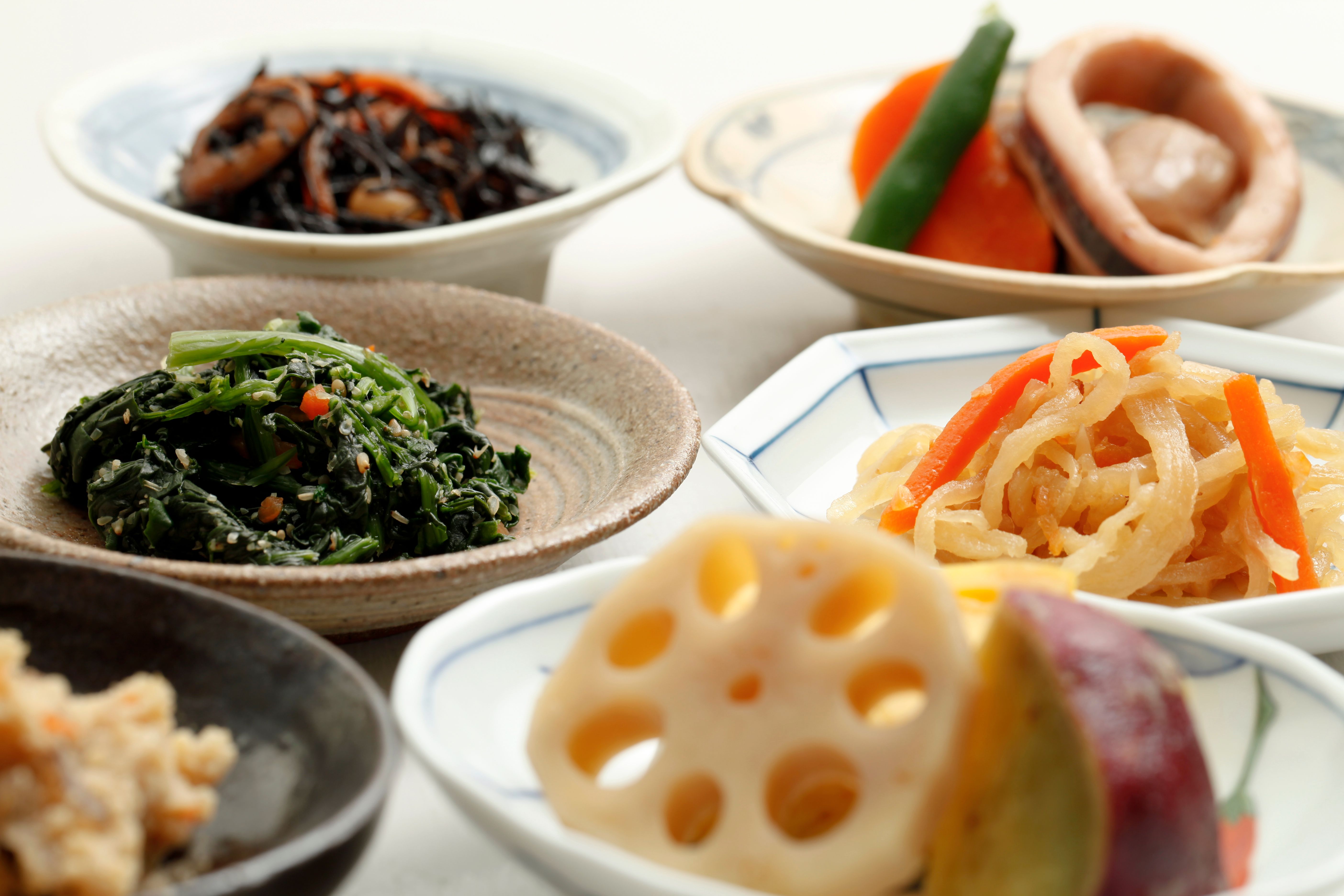
Presentation is an integral part of Japanese cuisine. For yakitori, the skewers are often arranged neatly on a plate, while yakiniku is more about the communal aspect of cooking and sharing. Both dishes pair exceptionally well with a variety of side dishes like rice, pickled vegetables, or a refreshing salad.
For beverages, consider serving these grilled delights with sake or a light beer to complement the rich flavors.
Exploring Grilled Veggie Options
For vegetarians or those seeking lighter fare, grilled vegetables provide a delicious alternative. Popular choices include shiitake mushrooms, bell peppers, and eggplants, all of which absorb the smoky essence of the grill beautifully.
Marinating the vegetables beforehand can add an extra layer of flavor, enhancing their natural sweetness and texture.
Bringing Japanese Grilled Dishes Home
Recreating yakitori and yakiniku at home can be a rewarding experience. Whether you're hosting a backyard barbecue or a cozy dinner for two, these dishes bring a touch of Japanese tradition to your culinary repertoire.
With the right ingredients and a bit of practice, you can master the art of Japanese grilling and savor the exquisite flavors of yakitori and yakiniku in your own kitchen.