
Beyond Khmer Cuisine: The Rise of Japanese Food in Siem Reap


Siem Reap, renowned for its proximity to the ancient wonders of Angkor Wat, is experiencing a culinary transformation. While the city is celebrated for its traditional Khmer cuisine, a new trend is emerging: the rise of Japanese food. This fusion of cultures is attracting both locals and tourists, eager to explore the diverse flavors of Japan.
The Allure of Japanese Cuisine
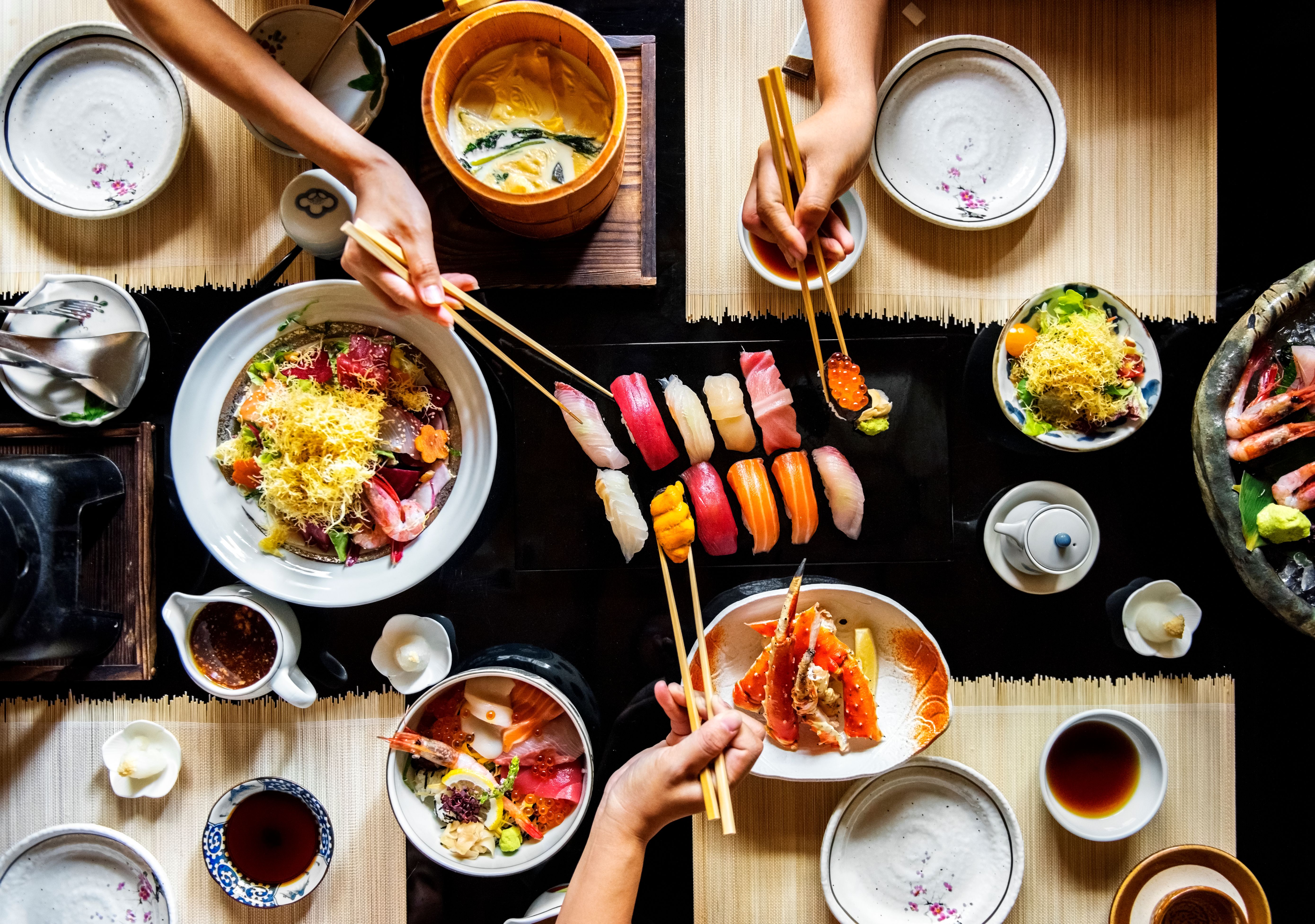
The popularity of Japanese cuisine in Siem Reap can be attributed to its unique blend of flavors, textures, and presentation. Sushi, sashimi, and ramen have become household names, offering a refreshing alternative to the rich, spicy dishes typically found in Cambodian cooking. The delicate balance of sweet, salty, and umami tastes in Japanese food provides a delightful contrast to the bold flavors of Khmer dishes.
Moreover, the artful presentation of Japanese food is another factor contributing to its appeal. Dishes are crafted with precision and care, transforming a meal into an aesthetic experience. This attention to detail resonates well with diners, enhancing the overall dining experience.
Embracing Authenticity
Several Japanese restaurants in Siem Reap strive for authenticity, sourcing ingredients directly from Japan. This commitment ensures that the flavors remain true to traditional Japanese cooking. Chefs often train in Japan or under Japanese masters to hone their craft, bringing a genuine taste of Japan to Cambodian soil.
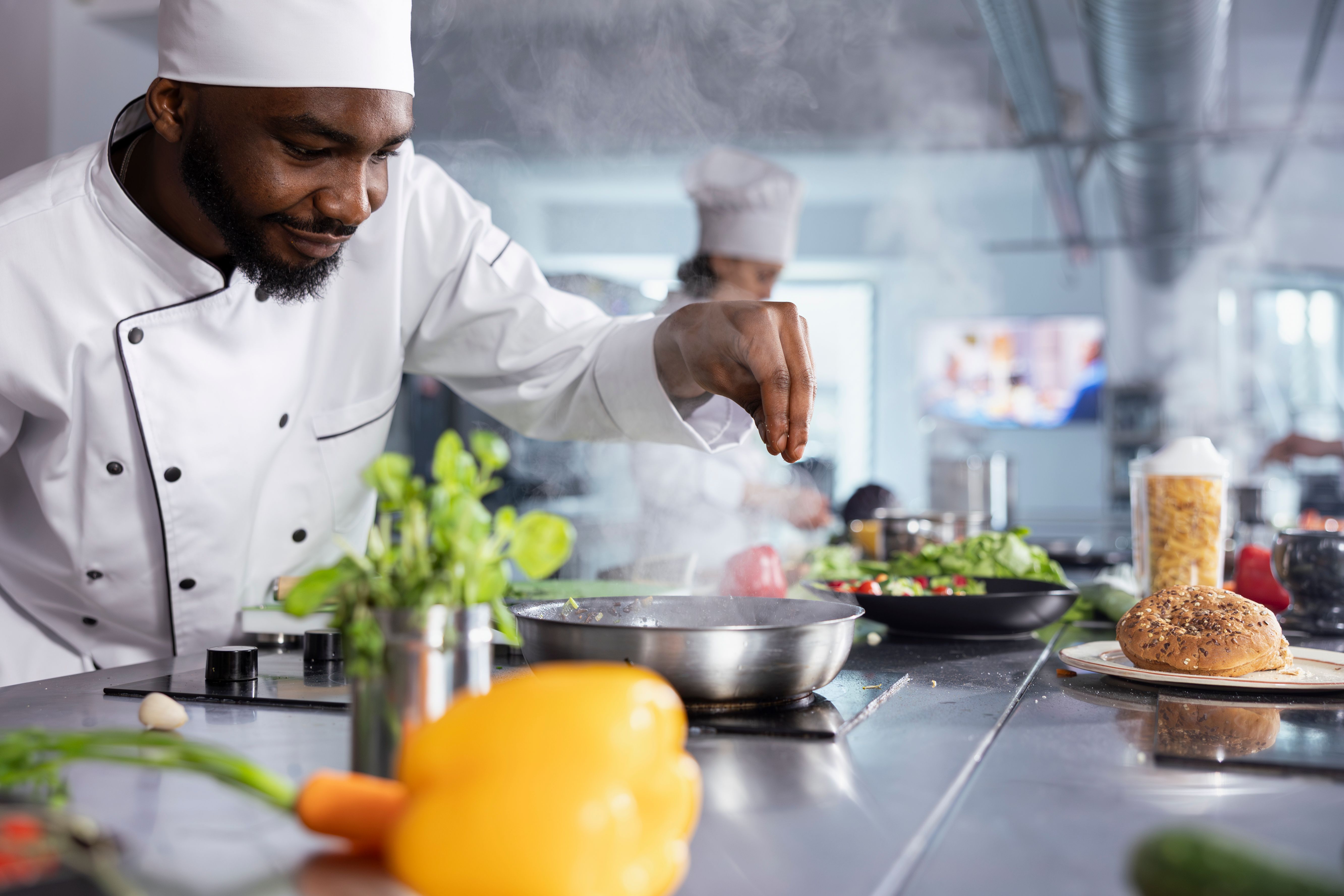
In addition, these restaurants often incorporate local ingredients to create innovative fusion dishes. This approach not only enhances the menu but also supports local farmers and businesses, contributing to the community's economy.
Popular Japanese Dishes
- Sushi and Sashimi: Fresh fish delicacies that continue to captivate diners.
- Ramen: A comforting noodle soup with rich broth and various toppings.
- Tempura: Lightly battered and fried seafood or vegetables.
A Cultural Exchange
The growth of Japanese cuisine in Siem Reap is more than just a culinary trend; it represents a cultural exchange. Through food, people gain insights into Japan’s traditions and history, fostering a deeper appreciation for its culture. Japanese festivals and events have started to appear in the city, further enriching the cultural tapestry of Siem Reap.

This exchange also encourages cross-cultural dialogue, strengthening the bonds between Cambodia and Japan. As more people engage with each other’s customs and traditions, a mutual respect and understanding develop, enriching the community as a whole.
The Future of Culinary Diversity
As Japanese cuisine continues to flourish in Siem Reap, the city is poised to become a culinary destination that celebrates diversity. The integration of different culinary traditions not only enhances the dining scene but also broadens the horizons of local chefs and food enthusiasts.
Looking ahead, the fusion of Khmer and Japanese cuisines could lead to exciting new dishes, further cementing Siem Reap's status as a hub of culinary innovation. Whether you are a seasoned foodie or a curious traveler, the city offers a unique opportunity to explore the harmonious blend of these two rich culinary traditions.